La Crosse Area SHRM | April 2026 Newsletter 
President's Message
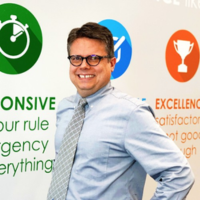
From: WI SHRM - Your Monthly State Council News
Looking for a powerful way to demonstrate your expertise, elevate your career and bring value to your organization? Get SHRM HR certified.
The Society for Human Resource Management Certified Professional (SHRM-CP) and Senior Certified Professional (SHRM-SCP) credentials are among the most respected certifications for HR professionals worldwide. Now is the time to start your certification journey. Submit your application early and plan to prepare for success.
2026 Testing Window: The first testing window for 2026 runs May 1 through July 15, 2026, with an application deadline of Thursday, May 16, 2026. Don’t wait—secure your spot and start preparing today.
Need financial support for your SHRM Certification?
The SHRM Foundation awards more than $200,000 each year in professional development grants to SHRM members pursuing HR certification. These grants help cover expenses related to earning your SHRM-CP or SHRM-SCP certification, including exam preparation materials, the SHRM Online Learning System, and exam fees.
To apply, you’ll need to submit basic contact information, short responses about your academic and professional experience, a current resume or transcript, and one letter of reference. Applicants must be current SHRM members, meet SHRM certification eligibility requirements, plan to test during the Spring or Winter testing window, and not receive employer reimbursement for certification expenses.
The application window opens April 13, 2026 and closes June 12, 2026.
Learn more about this grant and apply at www.shrm.org/foundation.
Membership
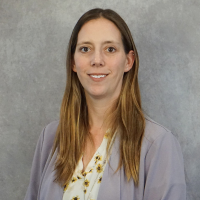
By Amber Wierzba, SHRM-CP, Membership Director
We welcomed one new student member, Britny Tollefson, and one new corporate member, Organic Valley, this month. Please join me in welcoming them to our LASHRM community!
Our next Coffee Chat will be held at The Grind in Holmen on Wednesday, April 22nd. Stop by anytime between 8:00–9:00 a.m. and enjoy a coffee—on us! Register on our events page: LASHRM Events
Interested in becoming a member? Join LASHRM
Have questions? Reach out to [email protected]
SHRM Foundation
The SHRM Foundation: Resources Your HR Career May Be Missing
As HR professionals, we spend a lot of time investing in others — their development, their experience, their success. But how often do we invest in ourselves? The SHRM Foundation exists to make that easier, and as LASHRM members, you have a direct connection to it.
Here's a look at what the SHRM Foundation offers — and how it can benefit you, right where you are in your career.
Scholarships & Certification Support
One of the most tangible benefits the Foundation offers is financial assistance. Each year, the SHRM Foundation provides more than $500,000 in awards supporting over 300 recipients — including scholarships for academic studies, SHRM-CP and SHRM-SCP certification, and professional development opportunities. If the cost of certification has been a barrier, this is worth a closer look.
Research You Can Actually Use
The Foundation doesn't just fund research for academics — it translates findings into practical tools for HR practitioners. It develops toolkits, guides, and training materials for HR leaders and employers, especially around hiring underrepresented populations such as people with disabilities, formerly incarcerated individuals, and veterans. These are ready-to-use resources you can bring back to your organization.
The Foundation also conducts ongoing work to identify and analyze critical workplace trends expected to impact organizations in the next 5–10 years — giving HR professionals a head start on what's coming before it arrives at your door.
Workforce Inclusion Programs
The Foundation backs several initiatives that give HR professionals practical frameworks for building more equitable workplaces:
- Veterans at Work helps HR professionals and people managers break down hiring barriers and improve support systems for veterans, military families, and caregivers throughout the employment lifecycle.
- Employing Abilities @Work strengthens the skills of HR professionals to hire, develop, advance, and retain individuals with disabilities in the workplace.
- Getting Talent Back to Work provides resources for HR leaders looking to reduce barriers to employment for individuals with criminal records.
Each of these programs comes with educational resources and tools designed specifically for HR practitioners — not just awareness, but actionable guidance.
Why It Matters for LASHRM Members
As a LASHRM member, you're already part of the broader SHRM community — which means the Foundation's resources are within reach. Whether you're pursuing certification, looking to strengthen your organization's inclusion practices, or simply want to stay ahead of emerging workforce trends, the SHRM Foundation is a resource worth knowing.
To explore scholarships, programs, and ways to get involved, visit shrm.org/foundation.
Continued Education

Turn Your Time into SHRM Credits
What if giving back could also move your career forward?
If you’re SHRM-certified, volunteering your time and HR expertise doesn’t just benefit others, it can earn you recertification credits. SHRM recognizes the value of professionals who support nonprofit organizations through unpaid HR-related work. That means activities like advising on policies, assisting with hiring processes, or supporting HR initiatives can count toward your recertification goals.
It’s a win-win: you make a meaningful impact in your community while staying on track with your professional development. So, if you’ve been looking for a reason to get involved, this might be it. Your time and talent are more valuable than you think.
Find more information here:
https://www.shrm.org/credentials/certification/recertification/qualifying-activities
|
Activity |
PDCs |
|
Serving as a SHRM national or MAC* board member or officer |
5 per year |
|
Serving as a SHRM affiliate** leader |
5 per year |
|
Serving as a SHRM national or affiliate committee or council chairperson |
5 per year |
|
Serving as a SHRM national or affiliate committee, council, or panel member |
5 per year |
|
Serving as a Board member or officer for another HR/HR-related organization |
4 per year |
|
Mentoring in a formal HR/HR-related mentorship program |
3 per year |
|
Peer-reviewing white papers or articles |
1 per year |
|
Writing an HR-related letter or making a call to Congress/State Legislature |
.25 per activity |
|
Participating in a SHRM research workshop |
2 per activity |
|
Participating in a SHRM focus group |
.25 per 15-minute time frame |
|
Taking a SHRM survey |
.25 per 15-minute time frame |
|
Serving as a SHRM Advocacy team (A-Team) member |
3 per year |
|
Participating in a Capitol Hill visit |
3 per year |
|
Exam Development Volunteer Activities |
Varies per activity (refer to the Exam Development Activities brochure for details) |
* Stands for Member Advisory Council
**Affiliates include SHRM chapters, state councils and global forum organizations.
Emerging HR Professionals

Join us on Monday, April 27th at 6 PM for From Classroom to Conference Room: HR Edition
UWL Student Union | Room #3314
521 East Ave N, La Crosse, WI
If you’re an aspiring HR professional or early in your career, this is your chance to gain real-world insight, hear from experienced leaders, and make valuable connections!
Panelists include:
• Taylor Forshee, MBA, SHRM-CP, GPHR – Innovia Consulting
• Jeannette Schreier – Citizens State Bank
• Danielle Stuhr Stuhr – Festival Foods
• Cassie Zimmer – Metallics, Inc.
Please register on our website under 'Events' and 'Upcoming Events' so we can get an accurate headcount.
Questions? Feel free to reach out to me at [email protected]
Programming
May Meeting | Future-Ready Leadership: Accountability as the Key to Innovation & Collaboration
Accountability is having a moment — and it's about time.
This May, LASHRM is bringing you a session that will completely reframe the way you think about one of leadership's most powerful (and most misunderstood) tools. Get ready for a high-energy, insight-packed conversation that will leave you fired up and ready to lead differently.
Join us on Tuesday, May 20 for our hybrid May meeting featuring Emily — Leadership Coach, Culture Consultant, and Organizational Trust Expert. Emily is a certified DISC and Emotional Intelligence coach who helps leaders at every level unlock their full potential, build their authentic leadership brand, and create high-trust cultures where people and performance thrive. She's on a mission with The Perk to build a world where everyone wakes up inspired and excited about life — and this session is a big part of that.
Here's what you'll take back to your team:
- Clarity is Key — Discover how setting crystal-clear expectations eliminates ambiguity and empowers your people to truly own their work
- Feedback that Lands — Master the art of delivering feedback that motivates, builds momentum, and drives real improvement
- A Culture of Accountability — Learn how consistent communication and follow-through become the glue that holds high-performing teams together
This isn't a lecture. This is a game-changer.
Whether you manage a team of two or two hundred, you'll walk out of this session with practical tools, a fresh perspective, and the confidence to build something better.
Sponsored Messaging | Express Employment
Emerging Careers for 2026 Grads in a Changing Job Market
By Adam Glahn, Owner of Express Employment Professionals of La Crosse, WI.
Graduating in 2026 means entering a job market shaped by rapid technological change and demographic shifts. While some industries are slowing down, fields like renewable energy, healthcare and data science are projected to grow significantly through 2034, offering strong salaries and career stability.
Emerging technologies such as AI and cybersecurity are also creating new job categories. LinkedIn’s Jobs on the Rise 2026 report indicates that AI‑related roles – like AI engineers and consultants – are among the fastest growing, appealing to graduates eager to be at the forefront of innovation.
Fastest Growing Jobs for 2026 Graduates
· Wind Turbine Technicians: Projected to grow by 50%, this role is one of the fastest-growing jobs in the U.S. as the demand for renewable energy expands nationwide.
· Solar Photovoltaic Installers: With a 42% projected growth rate, the solar energy sector is booming, leading to an increasing demand for skilled installers.
· Nurse Practitioners: Given the rising demand for healthcare services due to an aging population, this position is expected to grow by 40% and offers strong median wages.
· Data Scientists: As organizations increasingly depend on data-driven decision-making, the demand for data scientists is projected to grow by 34%.
· Information Security Analysts: With a 29% growth rate, this role is in high demand due to the increasing cybersecurity threats faced by organizations.
What’s Driving Job Growth in 2026
Three major forces are shaping the job landscape for 2026 graduates: AI, clean energy expansion and rising healthcare demands. AI is moving toward full deployment, creating a need for professionals who can develop and manage intelligent systems. Clean energy investments are increasing due to federal initiatives and support for electrification. The aging U.S. population is also elevating healthcare needs, opening opportunities in both clinical and administrative roles. HR Digest supports these trends, noting that healthcare and technology positions will dominate the job market through 2026.
Top Career Paths to Consider
· Healthcare: In high demand are nurse practitioners, physician assistants, physical therapist assistants and medical managers, largely due to population aging and expanded healthcare access.
· Technology and AI: Roles such as AI engineers, cybersecurity analysts, data scientists and operations research analysts are critical as companies adopt advanced digital tools.
· Green Energy: Wind turbine technicians, solar installers and environmental engineers are essential to support the growth of renewable energy.
· Business and Operations: Supply chain managers, actuaries and project managers are vital as organizations navigate global logistics and risk management.
How 2026 Graduates Can Prepare for These Roles
To stand out in a competitive job market, graduates should focus on both technical and soft skills. Technical skills are essential for high‑growth fields, and soft skills remain highly valued by employers.
Gaining hands‑on experience through internships, apprenticeships and project‑based learning is important. Certifications in areas like cloud computing or AI can strengthen employability. Networking on platforms like LinkedIn can also help graduates connect with potential employers.
The Bottom Line
The job market for graduates in 2026 is filled with opportunities, especially for those who build skills aligned with the fastest‑growing fields. Whether your interests are in healthcare, technology, clean energy or business operations, the roles are expected to see the most growth offer strong salaries, long‑term stability and meaningful work. By staying informed about industry trends and investing in the right skills, new graduates can enter the workforce with confidence and build careers that will continue to thrive well into the future.
If you’re looking for a job opportunity in 2026, Express can help.
Express Employment Professionals has put more than 10 million people to work worldwide during our 40 years in the staffing industry. If you’re on the hunt for a new role, we can help. Contact your local Express office, download the ExpressJobs app from your mobile store, or fill out our online contact form to get started.
The La Crosse Express office is located at 2240 Rose St and serves Administrative, Industrial, and Professional hiring. Local businesses and applicants are encouraged to stop by, visit https://www.expresspros.com/Onalaska/ or call 608-779-4252
Sponsored Messaging | The Insurance Center
How Population Health Impacts Employer Spending and Plan Design Strategies
Population health provides employers with a strategic approach to managing rising health care costs while supporting the overall well-being of employees and their families. Traditional cost management often focuses on reacting to claims after expenses have already occurred. In contrast, population health examines the collective health of a defined group—such as employees and covered dependents—to identify patterns, risk factors, and care utilization trends that influence long-term outcomes and costs.
The National Library of Medicine defines population health as the health outcomes of a group of individuals, including how those outcomes are distributed across the population. This approach considers not only medical conditions but also the broader factors that affect health, including preventive care use, chronic disease prevalence, behavioral health needs, and social factors that influence access to care.
By analyzing health trends across a population, employers can better understand which conditions or risk factors are most common within their workforce. Health risks often cluster together. For example, higher rates of obesity may be associated with increased cases of cardiovascular disease, Type 2 diabetes, musculoskeletal issues, and higher pharmacy utilization. Recognizing these patterns allows employers to design targeted benefit strategies that address root causes rather than simply responding to costly claims.
Prevention is a key component of a population health strategy. Employers can encourage routine screenings, improve access to primary care, promote healthy lifestyle behaviors, and support wellness initiatives such as tobacco cessation and chronic condition management programs. These strategies help identify health risks earlier and reduce the likelihood of more serious and costly health events later.
Health care spending is also highly concentrated. Studies show that a small percentage of the population accounts for a significant portion of total health care costs, often driven by chronic and behavioral health conditions. By focusing on population-level trends and preventive care, employers can reduce avoidable emergency visits, hospitalizations, and complications.
Ultimately, a population health approach shifts employers from reactive cost control to proactive health planning, improving employee health outcomes while helping create a more stable and sustainable health plan over time. For more information or the entire article, please contact your team at The Insurance Center An Alera Group.
Sponsored Messaging | The Alliance
On Wisconsin Healthcare: Exact Sciences Shows What Disruptive Innovation Can Look Like in Healthcare
How will healthcare delivery be different in 5 to 10 years?
While none of us has a crystal ball, if you explore the idea of disruptive innovation, you’ll find some clues as to what is possible.
Clayton Christensen’s “Disruptive Innovation” theory explains how industries change when something that was once expensive and inaccessible becomes simple, affordable, and widely available. The idea is straightforward: new solutions start out as less expensive or more accessible options and scale overtime, eventually reshaping entire industries. Non-users become users and demand multiplies.
We’ve seen this phenomenon play out before. Netflix allowed us to stream movies instead of renting DVDs, Amazon brought even mundane purchases online for delivery, and Uber made getting a ride as simple as opening an app on your phone.
Each of these ideas opened the door for more people to use a service by making it more accessible and affordable. Consider how healthcare delivery could change in the same way.
Here’s a local example: Exact Sciences.
Exact Sciences transformed cancer screening with its non-invasive colon cancer test, Cologuard®. By allowing patients to screen for cancer at home rather than going in for a procedure, the company dramatically expanded access to early detection and preventive care.
From 2018 to 2021, Exact Sciences’ product helped drive about 77% of the increase in colon cancer screenings in the U.S. More than 19 million people have used the test so far.
Exact Sciences is working on the next step in early cancer detection. Its new test, CancerguardTM, is a blood test designed to help find several types of cancer early. CEO Kevin Conroy says the “golden era” of finding cancer earlier, when it is easier to treat is here.
If you look at the barriers to healthcare, you’ll find the areas ripe for disruption.
Right now, we have nearly 38% of insured Americans skipping care due to cost. Other circumstances also get in the way of easy access for individuals:
● They can't get an appointment when they need one
● They can’t pay the deductible or coinsurance
● They don’t understand their insurance plan or have prior authorization delays
● They’re concerned about surprise bills and unknown costs
When care is expensive and hard to get, people simply don’t seek or receive the care they need.
The biggest potential changes in healthcare delivery could help solve these problems, making getting care faster, simpler, and more affordable.
At the end of the day, we all want the same thing: a healthcare system that works better. Accessibility and affordability affect both patients and providers.
Patients want consistent access to affordable healthcare, and providers want consistent access to patients and proper compensation.
The question for those currently operating in the healthcare system is: Will you help lead the change, or wait to be disrupted?
Sometimes the biggest risk is doing nothing. We all have a choice to be part of building a better healthcare system or watch it happen without us.
Wisconsin has providers, employers, and ideas to build a significantly better model.
However, it will take significant collaboration.
We all need to think differently about what patients really want and what will bring more of them into the system more easily. Start with consumer experience and work backwards toward enabling processes and technology.
The question is no longer whether disruptive innovation can happen in healthcare.
The real question is what will the next disruptive idea be to make healthcare more affordable and accessible — and who will work together to make it happen?
Do you have other examples of disruptive innovation you’d like to share? Reach out at [email protected].
Curt Kubiak is the President and CEO of The Alliance, a non-for-profit cooperative that helps employers save money on their healthcare spend. After an early career in the manufacturing sector, Kubiak has spent nearly two decades as an executive in the healthcare industry in Wisconsin.
Sponsored Messaging | Trust Point
From Participation to Prosperity: How Education and Trust Turn 401(k) Plans into Long-term Success Stories
A strong 401(k) plan does more than help employees save for retirement. It builds trust, encourages engagement, and supports confident financial decisions over the long term. In times of transition, that foundation matters more than ever.
At Trust Point, we’ve helped hundreds of businesses create retirement plans that support both the organization and its people. When a company changes hands, employees often face major financial decisions. That’s when the personalized education and coaching delivered through Trust Point and Emerj360 make the biggest impact.
The stories below show how consistent support and longstanding relationships gave employees the clarity they needed to make informed decisions and move forward with peace of mind.
A Decade of Trust
A regional trucking company partnered with Trust Point more than a decade ago to help manage its 401(k) plan. Over time, employee education became a cornerstone of the relationship, including one-on-one meetings that gradually became part of the company’s standard process.
At first, participation in those meetings was modest, but employees quickly began to see them as supportive, judgement-free opportunities to talk about their finances. Attendance grew, and many employees returned year after year, gaining familiarity with the process and trust in the people behind it.
That trust proved critical when the company was sold and its 401(k) plan was effectively closed. Participants faced a choice: roll their balance to a new plan, cash out, or continue working with a provider they already knew. Thanks to the relationships built over the years, many chose to stay with Trust Point.
Some rolled their funds into individual retirement accounts (IRAs), becoming full-service clients with access to broader financial planning, investment guidance, and administrative support. The number of ongoing relationships and the depth of engagement far exceeded expectations. It wasn’t the result of a sales pitch; it was the result of years of steady, thoughtful guidance.
Local Service That Lasts
When a local independent insurance company was acquired by a larger firm, its 401(k)-plan transitioned to a national provider. For many longtime employees, that wasn’t the right fit.
These were individuals who had already spent years building relationships with Trust Point and Emerj360, attending education sessions, asking questions, and receiving personal guidance. They weren’t looking for a generic experience with a distant call center. They wanted a real person they knew and trusted.
As with the trucking company, many participants chose to continue working with Trust Point/Emerj360 after the transition. Some were nearing retirement and valued the chance to receive individualized service. Others appreciated the ability to pick up a phone and speak with someone local who understood their situation.
The outcome reinforced a core belief we hold at Trust Point: service makes a difference. When education is consistent, relationships are prioritized, and every participant is treated as a person — not an account — that’s when a plan truly delivers.
The Trust Point Difference
Most 401(k) providers outsource key responsibilities to multiple vendors, such as recordkeeping, education, and plan administration. Trust Point offers a fully bundled approach. We manage every aspect of the plan in-house, including:
- Investment oversight
- Compliance and testing
- Recordkeeping
- Participant education and one-on-one support, with the help of our Emerj360 division
This means clients get a dedicated team, a single point of contact, and consistent service from a local, fiduciary partner.
Planning That Endures
It’s easy to think of a 401(k) plan as just another workplace benefit. Done right, it becomes something more — a tool for retention, a foundation for financial well-being, and a lasting source of value, even in times of change.
The stories of these two client transitions show that when a plan is built on education and real relationships, it can have a lasting impact that goes well beyond the workplace.
Whether you’re looking to build a new plan, improve participation, or navigate a business transition, our team is here to provide steady guidance, thoughtful solutions, and a plan that grows with you.
Interested in more 401(k)-related information? Sign up to receive occasional newsletter, Retirement Point, and/or a short three-email educational series that features bonus resources to learn more about 401(k) plans for your employees and how we can you can help boost their retirement planning.
By: Allyson Krause, CRPP™, Managing Director of Retirement Plan Services and Brett Sebion, Financial Coach – Emerj360
Sponsored Messaging | Boardman & Clark
Harper v. Sirius XM and Algorithmic Hiring Discrimination
Storm Larson, Brian Goodman, and Emmerson Mirus – Boardman Clark Law Firm
HR professionals are harnessing artificial intelligence (AI) tools to streamline recruitment and hiring processes. For example, many industries post job openings on platforms like Indeed, LinkedIn, or ZipRecruiter, all of which tend to rely on AI to review, rank, and/or match candidates to job descriptions. Other companies may use internally-developed or licensed AI tools to process applications.
Employers should be mindful that as AI use in staffing grows, so too does legal risk. One recent case, Harper v. Sirius XM, highlights these emerging risks. In Harper, Arshon Harper claims that Sirius XM’s use of AI disproportionately rejected him and other Black job applicants in violation of Title VII. Specifically, Harper argues that Sirius XM’s workplace AI tool was improperly trained to prioritize applications mentioning certain educational institutions, employment history, and zip codes, and these algorithmic priorities were unrelated to the job qualifications or Sirius’s business needs.
While the Harper case is still in its early stages, it stresses that employers may be exposed to liability under federal anti-discrimination laws when they rely on AI in recruiting and hiring decisions, even if AI is not the ultimate decisionmaker. Because the terms of use in AI vendor agreements frequently disclaim liability for harm their products or outputs cause, employers cannot simply shift legal responsibility to their AI vendors. The plaintiffs in Harper aim to advance their case as a multi-state class action, which increases both the stakes and the costs of the litigation for Sirius XM considerably.
To minimize the legal risks illustrated by Harper, employers that use (or plan to use) AI internally or through third-party recruitment and hiring platforms should scrutinize whether their candidate selection processes disproportionately impacts employees in a legally protected class. Employers should also stay up to date with new laws regulating the use of AI-powered workplace tools, which will likely expand their legal obligations.
Sponsored Messaging | Capitoline Intel
The Wisconsin Caregiver Background Check
Simplified, Compliant, and Built for Speed
April 15, 2026
If you manage hiring in home healthcare or family social services, you already know the reality: the Wisconsin Caregiver Background Check is not optional—and it’s not simple. With strict statutory requirements and layered compliance obligations, the process can quickly become a bottleneck for your HR team. It doesn’t have to be.
Capitoline Intel has re-engineered the caregiver screening process to eliminate friction, reduce risk, and accelerate hiring timelines. You owe it to your patients, clients, company, and candidates to get it right the first time.
A Modern, Secure Approach to a Traditionally Burdensome Process
Our proprietary, cloud-based platform replaces outdated, manual workflows with a streamlined digital experience:
-Fully compliant digital onboarding
-All required FCRA disclosures and Background Investigation Disclosure (BID) forms are completed securely online—no paper, no PDFs, no gaps in compliance.
-Mobile-first candidate experience
-Candidates receive a secure link via email and text, allowing them to complete the entire process from their smartphone or computer—anytime, anywhere.
-Faster turnaround times
What once took a week or more can now be completed in days, helping you hire faster without sacrificing accuracy or compliance.
Built for Ongoing Compliance—Not Just One-Time Checks
Annual and quadrennial caregiver renewals are often where organizations struggle most. Paper trails get messy. Follow-ups get missed. Risk increases.
Capitoline solves this with a scalable, automated renewal process:
-Seamlessly manage renewals for 10 or 500+ employees
-Eliminate manual tracking and inconsistent workflows
-Ensure every check is completed accurately and on time
Comprehensive Coverage—No Missed Requirements
Many organizations overlook a critical detail: federal background check requirements still apply, even within the Wisconsin Caregiver framework.
Capitoline Intel’s process includes all required federal forms and checks, ensuring complete compliance from start to finish—so your team doesn’t have to second-guess what’s missing.
A Wisconsin-Based Partner That Understands Your Environment
Capitoline Intel combines local expertise with high-touch service. When timelines are tight or challenges arise, you’re not routed through a call center—you get direct access to a local, responsive, knowledgeable team that knows your industry.
Take the Burden Off Your HR Team
If you’re ready to reduce administrative workload, improve compliance, and accelerate hiring, it’s time for a better approach to caregiver background checks.
Contact me today to learn how Capitoline Intel can streamline your process.
Gary Czaplewski,
President