
In this issue
La Crosse Area SHRM | January 2026 Newsletter 
President's Message

Happy New Year, LASHRM community!
As we kick off 2026, I’m honored to serve as your Chapter President and excited for the opportunities ahead. I look forward to connecting with many of you at our monthly meetings and Wisconsin SHRM events throughout the year.
I’d like to extend heartfelt appreciation to Taylor Forshee and our 2025 Board for their leadership and the positive momentum they created. Building on that strong foundation, our focus in 2026 is to continue delivering meaningful programming, valuable networking, and a welcoming community for HR professionals across our region.
Stay connected with us by visiting www.lashrm.org or following LASHRM on Facebook, LinkedIn, and Instagram for the latest updates on events and membership.
Finally, please join me in thanking our 2026 sponsors—The Insurance Center, The Alliance, Express Employment Professionals, Trust Point Inc., and Boardman Clark—for their generous support. We couldn’t do this work without them!
Here’s to a great year ahead!
Membership
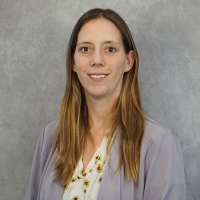
By Amber Wierzba, SHRM-CP, Membership Director
We have added 2 new student members this month – Kaitlyn Berg and Maria Avelina Littlejohn. Please join me in welcoming them to our community!
Friendly reminder to renew your membership!
You can still renew your membership for 2026—just click HERE, log in, and select “Renew Membership.” It’s quick and easy, and we’d love to have you with us for another great year!
Save the Date for our first Coffee Chat of 2026!
Friday, February 20th at 7:30 a.m.
Java Vino
Check out our upcoming events HERE
Check this off your year-end to-do list and join us today! Join LASHRM
Have questions? Reach out to [email protected]
SHRM Foundation
Applications Are Now Open: SHRM Foundation Scholarships, Grants & Awards for 2026
Great news for HR professionals at every career stage—the SHRM Foundation opened applications this week for over $600,000 in scholarships, grants, and professional development funding!
Whether you're a student pursuing an HR degree, an emerging professional seeking to grow your career, or an established leader looking to advance your expertise, now is the time to explore these opportunities.
Apply Now: March 13 Deadline
Applications opened January 12, and the deadline is March 13, 2026, giving you two months to prepare your application. Here's what's available in this funding round:
For Students and Emerging Professionals:
- Undergraduate Scholarships
- Graduate Scholarships
- Student Membership Grant
For Emerging and Established Professionals:
- Susan R. Meisinger Scholarship for Graduate Studies
- Annual Conference Grants
- Professional Membership Grant
Recognition and Development Programs:
- HR Tomorrow Leadership Program
- Michael R. Losey HR Research Fellowship Program
Continued Education

The Road to SHRM Certification: Real Stories, Real Strategies
On-Demand Webinar
Thinking about taking the next big step in your HR career? If SHRM certification is on your radar, you don’t have to figure it out alone.
SHRM is offering a free, on-demand webinar that takes you behind the scenes of what it’s really like to prepare for the SHRM-CP or SHRM-SCP exam. In this engaging panel discussion, experienced HR professionals, who once sat exactly where you are, share honest insights, practical strategies, and lessons learned from their own certification journeys.
You’ll hear how these professionals prepared for exam day using the #1 SHRM certification prep tool: the SHRM Learning System, and how they balanced studying with work, life, and everything in between. Whether you’re just starting to explore certification or actively planning your study schedule, this session offers relatable advice and realistic approaches you can apply right away.
What you’ll gain from this webinar:
- Valuable insights into the SHRM certification experience
- A look at different study options, including self-study and instructor-led approaches
- First-hand advice from SHRM-certified HR professionals
- Proven strategies to strengthen your exam preparation and confidence
Watch on demand:
Visit SHRM Featured Webinars and search for “The Road to SHRM Certification” or click HERE.
If certification is part of your professional goals, this webinar is a great place to start. You will find real stories, real strategies, and real encouragement from those who’ve successfully made the journey.
Emerging HR Professionals

By Sami Boudreau, Emerging HR Professionals Director
Hi everyone! I’m Sami Boudreau, and I’m truly excited to step into the role of Emerging HR Professionals Director for LASHRM. I look forward to connecting with fellow HR professionals and supporting the growth and development of young talent within the La Crosse community.
I graduated from the University of Wisconsin–Eau Claire in 2022 with a degree in Human Resources, and my professional passion lies in Talent Acquisition. With the new year comes fresh goals, and I’m eager to strengthen relationships with local college SHRM chapters and promote our scholarship opportunity. Be sure to keep an eye out for upcoming events designed specifically for Emerging HR Professionals!
If you’re interested in joining the Emerging HR Professionals Committee, I’d love to hear from you!
Governmental and Diversity Affairs
Upcoming SHRM Webinar | 2026 Employment Law Update: Preparing Your Organization for Compliance
Wednesday, January 21, 2026, at 12:00 PM CST | Learn More
As employment laws evolve, businesses must stay compliant with the latest changes that impact their employee policies and procedures. At the start of 2026, significant updates at the federal level and changes across various states are set to influence employer obligations. With new federal mandates and key legislative developments in states including California, Colorado, Illinois, Massachusetts, New Jersey, New York, and Washington, maintaining compliance can feel overwhelming.
Join us for this comprehensive webinar designed for HR professionals and business leaders. We’ll break down the latest employment law changes and offer practical insights into how to align your employee handbook with the new requirements. Whether you're conducting an annual review or a comprehensive overhaul of your policies, this session will equip you with the knowledge and resources to stay ahead.
Key Takeaways:
- Understand the key federal employment law changes for 2026, including new mandates and updated guidelines.
- Acquire insights into state-specific updates impacting employee handbooks in California, Colorado, Illinois, Massachusetts, New Jersey, New York, and Washington.
- Learn best practices to integrate legal compliance with state and federal requirements into your employee handbook.
- Gain access to a list of resources and templates to streamline updates to your handbook.
- Take proactive steps to mitigate risks and avoid penalties from noncompliance.
SHRM Knowledge Advisors will join the live webinar to answer your questions in real time—right in the chat.
Programming

We have three exciting professional development opportunities next month!
LASHRM February Meeting | Transforming HR with Copilot Agents
February 18, 2026 | 11:30 AM - 1:00 PM
Osteria Emilia, 501 Front St S, La Crosse, WI 54601
Register Now
This is a hybrid event. In-person attendees will meet at Osteria Emilia with parking available behind the restaurant.
Discover how Microsoft Copilot agents can revolutionize your HR operations by automating repetitive tasks and streamlining workflows. In this hands-on workshop, you'll learn about Copilot Agents and their use cases, including how to create a custom AI agent that handles employee policy and handbook questions. No technical background required—this session is designed specifically for HR professionals who want to work smarter, not harder.
You'll learn to:
- Understand what Copilot agents are and how they differ from standard Copilot
- Identify high-impact use cases for HR departments
- Learn the basics of creating your first HR agent
- Evaluate readiness and implementation considerations
- Explore real examples and success metrics
2026 WI SHRM Workplace Policy Conference
February 18-19, 2026 | 1:00 PM - 3:30 PM
Madison Marriott West, 1313 John Q Hammons Drive, Madison, WI 53562
Learn More
Join Wisconsin SHRM's 1.25-day Workplace Policy Conference featuring dynamic keynotes, interactive workshops, and a robust vendor and networking fair. This event brings together HR professionals, business leaders, and industry partners to explore the future of workplace governance and public policy. Gain insights into legislative and regulatory issues shaping the HR landscape while building connections with peers and solution providers. Whether you're an HR leader, business partner, or public affairs professional, you'll leave with tools and advocacy perspectives to champion effective workplace policies.
Coffee Chat
February 20, 2026 | 7:30 AM - 9:00 AM
Java Vino, 2311 State Road, La Crosse, WI 54601
Register Now
Join the LASHRM Board for a cup of your favorite caffeinated beverage (on us!) and a laid-back coffee chat at Java Vino in La Crosse. Whether you're looking to network, connect with fellow HR pros, or just enjoy some good conversation to start your day, this open forum is the perfect space.
Sponsored Messaging | Express Employment
From Vision to Victory: Goal Setting for Leaders
By Adam Glahn, Owner of Express Employment Professionals of La Crosse, WI.
Leaders often receive less feedback as they move up the ranks. As a result, you may need to take charge of your own growth, skill development and learning by setting goals.
The SMART method of setting goals that are specific, measurable, attainable, relevant and time-bound is a great place to start. But leaders face additional challenges to achieving goals like responding to uncertainty and managing teams. Here are tips to not only set goals in these challenging times, but also to achieve them.
Define Your Why
Naming the “why” behind the goals you set creates motivation and a path to move forward. Motivators behind goals could include:
· Learning new skills that prepare you to guide your company to become an industry leader
· Taking a management course to help you lead more effectively
· Investing in growing your network to create new connections for you personally, your company, and allow you to connect your team to others you meet
As the SMART method outlines, goals should be specific and measurable. Choosing a specific goal with a measurable outcome is a step toward success, so customize your goals and personalize the why behind them.
Work Toward Your Goals
In the busy world of work and chaos amidst uncertainty faced by many industries today, it’s easy to let progress toward goals slip. Scheduling time to work on goals alone may not be enough if other priorities take precedence or new responsibilities arise.
If you have a mentor or one-on-one meetings with your boss, consider using the time to share progress on your goals, realign priorities or reprioritize the steps it will take to reach your goals.
To maintain motivation, it may be wise to outline ways to use what you learn on your way to the final goal along the journey. Break down larger goals like completing a certification into applying individual lessons you learn along the way, or if you want to grow your network, start by attending one industry event a month.
Plan for Roadblocks Before They Happen
Challenges are bound to happen, and it may even feel like the goal post is moving. Failure is part of the journey and these tactics can help you realign if you get off track with your goals:
· Turn a larger goal into a series of micro-goals
· Be realistic—if it isn’t possible to achieve a goal as you have set it, adjust by extending the timeline or scaling back
· Use time management to your advantage—try to make progress toward goals between meetings, at the end of the week or if there’s slow time in your week
· Ask for help, support or encouragement from mentors, friends or even family
Lead by Example
If your company requires employees to set goals, show your team that you’re also working toward goals. Success breeds success. If you elevate your skills and education, you create space for your team to rise too. You can share what you learn with your team, focus on an upcoming area of focus for your company or industry and delegate to others and ultimately use your goals to propel everyone forward.
Achieving goals takes commitment, time and effort, but the results are worth it.
What if there was one connection that could help you find your next job?
That’s Express Employment Professionals. With a dedicated team of local hiring experts, we’re ready to help you find a new job or take the next step in your career. Contact us today!
The La Crosse Express office is located at 2240 Rose St and serves Administrative, Industrial, and Professional hiring. Local businesses and applicants are encouraged to stop by, visit https://www.expresspros.com/Onalaska/ or call 608-779-4252
Sponsored Messaging | The Insurance Center
IRS Provides Guidance on Trump Accounts for Children
On Dec. 2, 2025, the IRS issued Notice 2025-68 announcing upcoming regulations and providing initial guidance regarding Trump Accounts. Created by the One Big Beautiful Bill Act, Trump Accounts are a new type of tax-favored savings account for children under the age of 18.
Contributions to Trump Accounts may start July 4, 2026, and can be made by anyone, including the account beneficiary, parents or guardians, grandparents, employers, philanthropic contributors or any other source. Children born between 2025 and 2028 may be eligible to receive a special $1,000 contribution from the federal government through a pilot program.
Taxpayers will use IRS Form 4547 to establish Trump Accounts for eligible children. This same form is used to make an election to participate in the federal government’s $1,000 pilot program. A draft version of Form 4547 is available on the irs.gov/draft-tax-forms website. Notice 2025-68 clarifies that Trump Accounts are a type of traditional individual retirement account subject to special rules during the “growth period,” which is the period that ends before Jan. 1 of the calendar year in which the account beneficiary attains age 18. Employers can contribute to the Trump Account of an employee or an employee’s dependent pursuant to a Trump Account Contribution Program. These contributions are not includible in the employee’s income for federal tax purposes. Contributions are limited to $2,500 per employee per year, subject to cost-of-living adjustments after 2027.
This program must be established pursuant to a written plan document and must meet certain tax rules that apply to dependent care assistance programs regarding discrimination, eligibility, notifications and benefits. Also, employers can allow employees to make pretax contributions to their dependents’ Trump Accounts through a Section 125 cafeteria plan.
PCORI Fee Amount Adjusted for 2026
The IRS recently issued Notice 2025-61 to increase the Patient-Centered Outcomes Research Institute (PCORI) fee amount for plan years ending on or after Oct. 1, 2025, and before Oct. 1, 2026. The updated PCORI fee amount is $3.84 multiplied by the average number of lives covered under the plan. For plan years that ended on or after Oct. 1, 2024, and before Oct. 1, 2025, the PCORI fee amount is $3.47 multiplied by the average number of lives covered under the plan.
The PCORI fee is imposed on health insurance issuers and self-insured plan sponsors (including Health Reimbursement Arrangements) to fund comparative effectiveness research. It applies through the plan or policy year ending before Oct. 1, 2029. PCORI fees are reported and paid annually on IRS Form 720 (Quarterly Federal Excise Tax Return). These fees are due each year by July 31 of the year following the last day of the plan year.
For plan years ending in 2025, the PCORI fee is due by July 31, 2026. Employers with self-insured health plans (including Health Reimbursement Arrangements) should have reported and paid PCORI fees for 2024 by July 31, 2025.
The PCORI fees are calculated based on the average number of covered lives under the plan or policy. This generally includes employees and their enrolled spouses and dependents unless the plan is a health reimbursement arrangement (HRA) or health flexible spending account (FSA). Final rules outline a number of alternatives for issuers and plan sponsors to determine the average number of covered lives. More information on PCORI fees is available from the IRS, including an overview, chart summarizing the fees’ application to common types of health coverage.
Reach out to your team at The Insurance Center for additional details and information!
Sponsored Messaging | The Alliance
Webinar Series Offers Strategies for Employers to Lower Employee Healthcare Spend
The Alliance is launching a new webinar series to assist employers in saving on healthcare in 2026.
The four-part “Bend the Trend” webinar series, offered at no cost, will give employers actionable strategies for delivering effective and efficient healthcare benefits to their workforce. The series will include the following webinars:
- Bend the Trend: Lower Healthcare Costs with Preventive Care
Thursday, Jan. 15, 2026
Learn how prioritizing preventive screenings can yield significant savings. - Bend the Trend: Lower Healthcare Costs through Benefit Plan Design
Tuesday, Feb. 17, 2026
Gain practical strategies to scale benefit plan design changes, lower costs, and create a healthier workforce. - Bend the Trend: Lower Healthcare Costs by Supporting Mental Health
Tuesday, May 12, 2026
Learn how to spot stress points, engage employees, and build healthier, more resilient teams. - Bend the Trend: Lower Healthcare Costs: Top Cost-Saving Insights of 2026
Tuesday, Nov. 10, 2026
Review 2026 healthcare trends and cost data. Learn how to make incremental changes to lower your per-member-per-month costs.
You can register for the webinar series and other events by The Alliance at the-alliance.org/events.
Sponsored Messaging | Trust Point
How Financial Education is Driving Better Retirement Outcomes for Employees
When it comes to preparing for retirement, knowledge truly is power. At Emerj360, we believe that education is one of the most effective tools to help employees make confident, informed decisions about their financial future—and we’ve seen firsthand just how impactful that support can be.
When employees feel informed, they’re more likely to take action—like participating in a 401(k) plan, increasing their contributions, or seeking personalized guidance.
Whether you’re a business owner, HR professional, or plan sponsor, you want your retirement plan to make a difference. Here’s how strategic financial education is doing just that for companies we work with—and how it can work for you, too.
Real Results from Financial Education That Connects
We’ve seen firsthand how the right education, delivered at the right time, can lead to real change. Here are two examples that show how education can move the needle:
100% 401(k) Participation After One Presentation
One employer had a SEP IRA Plan (Simplified Employee Pension Plan) in place, but employees weren’t sure what to do with the contributions. After hosting a kickoff education session for their new 401(k) plan, every eligible employee enrolled. That’s right—100% participation. Education gave them the knowledge and confidence to take control of their retirement savings.
A Surge of Interest After an Education Session
At another company, we led a group session focused on retirement basics and how to get started. Immediately after, more than 30 employees reached out to HR to ask for 401(k) enrollment information. When people understand the value of the benefit, they’re much more likely to engage with it.
Why Retirement Education Matters
Today’s workforce faces competing financial priorities—student loans, daily expenses, healthcare costs, and long-term goals. Simply offering a retirement plan isn’t enough. Employees need to know how to use it, why it matters, and how it fits into their overall financial picture.
That’s why our education goes beyond the basics. We meet employees where they are—providing digestible, jargon-free guidance that empowers them to take action, no matter their age or experience level.
What Emerj360 Provides for Employers
As part of your retirement plan partnership with Trust Point and Emerj360, you’ll gain access to a full suite of educational tools and support services, including:
- In-person and virtual group education sessions
- 1-on-1 support from our financial professionals
- A resource library with videos, guides, blogs, and planning tools
- Monthly financial wellness emails and ongoing touchpoints
We’ll work with you to create an education strategy that aligns with your plan goals and resonates with your employees.
Helping Employees Beyond Retirement
While we’re experts in retirement plans, our support doesn’t stop there. Emerj360 also offers personalized financial planning services for individuals—so employees who want a deeper dive into their full financial picture can get expert help with budgeting, debt management, investing, planning for college, or preparing for retirement.
This holistic approach gives your team the tools they need to make smarter money decisions—today and in the future.
Let’s Build a More Confident Workforce—Together
Financial education isn’t just a nice-to-have—it’s a powerful tool for employee engagement, retirement readiness, and long-term financial wellness. Whether you’re looking to boost participation, improve plan outcomes, or provide more value to your team, Emerj360 is here to help.
Want to see what a difference education can make? Let’s connect and talk about how we can support your employees through customized retirement plan education and personalized financial planning.
Sponsored Messaging | Boardman & Clark
‘Tis the Season to Refresh Your Employee Handbook
Storm Larson, Brian Goodman, and Emmerson Mirus – Boardman Clark Law Firm
As we wave goodbye to 2025, now is an ideal time for Wisconsin employers to review and update their employee handbooks to reflect recent legal developments. A proactive handbook update can help ensure compliance while setting clear expectations for your employees. Here are three areas that deserve particular attention: pregnancy accommodations and lactation breaks, religious accommodations, and technology use policies.
The PUMP Act (Providing Urgent Maternal Protections for Nursing Mothers Act) requires employers to provide reasonable break time and space for nursing workers to express breast milk while on the job for up to one year after the child’s birth. The Pregnant Workers Fairness Act (PWFA) requires employers with 15 or more employees to provide reasonable accommodations for known limitations related to pregnancy, childbirth, or related medical conditions. Employers should include policies in their handbooks that clearly outline the process for requesting accommodations for pregnancy-related conditions and for requesting lactation breaks.
Religious accommodation policies also warrant review. Since the Supreme Court decided Groff v. DeJoy in 2023, the Equal Employment Opportunities Commission (EEOC) has elevated its focus on religious discrimination. Handbooks should reflect the understanding that employers must accommodate sincerely held religious beliefs unless doing so poses an undue hardship. Clear handbook policies that establish a process for requesting religious accommodations will help employers comply with the heightened legal standard for providing religious accommodations.
Finally, the proliferation of generative AI and related emerging technologies calls for the employers to update their acceptable use of technology policies. Employers should consider addressing guidelines for AI tool usage, data security, confidentiality concerns, work product accuracy, and expectations around personal versus company-approved technology. AI use inherently varies from one organization to another, so organizations should develop thoughtful AI policies specific to the organizations’ needs.
The snow is falling, and it is cold out there. Stay in and work on your handbook. Don’t forget to periodically have legal counsel review those handbooks to reflect new laws and emerging best practices.
Sponsored Messaging | Capitoline Intel
For small businesses, every hire counts. With lean teams and limited resources, a single poor hiring decision can have outsized consequences—financially, legally, and culturally. Pre-employment background checks are one of the most effective tools small businesses can use to reduce hiring risk and build a trustworthy workforce.
Protecting People, Property, and Reputation
Background checks help verify that candidates are who they say they are and that their history aligns with the role’s responsibilities. Criminal history checks, employment and education verification, and reference checks can uncover red flags that interviews alone may miss. For small businesses, where employees often wear multiple hats and have access to sensitive information, assets, or customers, this due diligence is especially critical.
Beyond internal protection, background checks also safeguard a company’s reputation. A single incident involving employee misconduct can quickly damage customer trust—something small businesses work hard to earn and cannot easily afford to lose.
Reducing Legal and Financial Risk
Negligent hiring claims are a real concern, regardless of company size. If an employee causes harm and it’s discovered that a reasonable background check would have revealed prior issues, the business may be held liable. Conducting consistent, job-related background checks demonstrates good-faith efforts to hire responsibly and can be a key defense in legal disputes.
Additionally, background checks can reduce turnover costs. Identifying misrepresentations or patterns of problematic behavior early helps ensure better job fit, saving time and money spent on rehiring and retraining.
Building a Culture of Trust and Fairness
When implemented thoughtfully, background checks contribute to a culture of accountability and trust. Employees are reassured that their colleagues have met the same standards they did. This consistency is particularly important in small teams, where interpersonal dynamics strongly influence morale and productivity.
It’s equally important to conduct checks fairly and legally. Small businesses must comply with the Fair Credit Reporting Act (FCRA), applicable state and local laws, and “ban-the-box” regulations where applicable. Running a CCAP is not a background check and may constitute an illegal background check under the FCRA. Background checks should be relevant to the job, applied consistently, and used as one component of a holistic hiring process—not an automatic disqualifier. “Second Chance” has shown that giving opportunities to persons that have reformed their ways after a checkered past creates an entirely new pool of candidates… as long as criteria are set and a proper background check completed!
Right-Sizing the Process for Small Businesses
Background checks don’t have to be complex or expensive. Many providers offer scalable solutions tailored to small businesses, allowing employers to select checks based on role requirements. For example, a driving record may be critical for a delivery role, while a financial check may be more appropriate for a bookkeeping position.
Conclusion
For small businesses, pre-employment background checks are not about mistrust—they’re about making informed decisions. By reducing risk, protecting stakeholders, and supporting fair hiring practices, background checks help small businesses hire with confidence and lay a strong foundation for sustainable growth.